
The Process
4. The cTIF Procedure
Step 1: The Surgeon – Repairs the hiatal hernia using robot-assisted techniques.
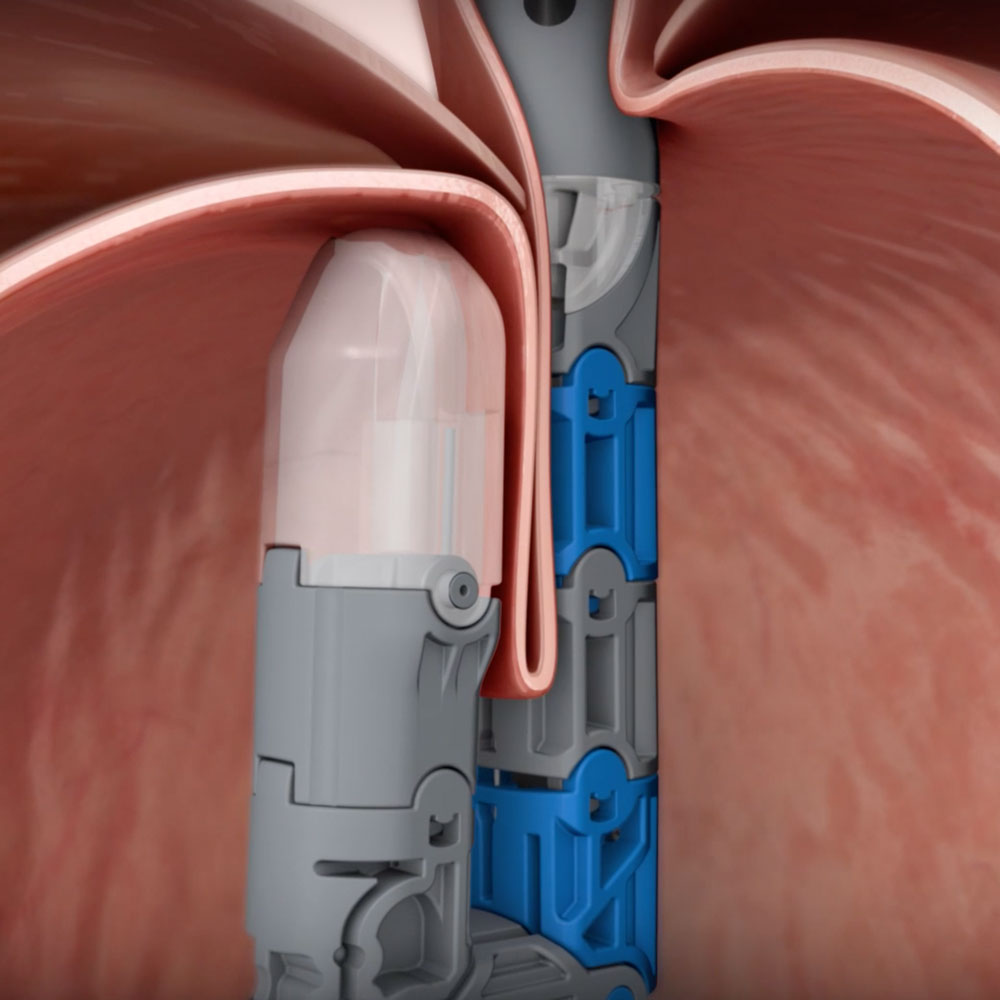
Step 2: The Gastroenterologist – Uses the TIF technique to rebuild the anti-reflux valve through the mouth.
Step 3: The Result – A fully restored barrier that prevents stomach acid from escaping into the esophagus. Most patients recover smoothly and go home the same day.
Our video provides an overview of how this groundbreaking procedure works.
The root cause of acid reflux for many patients is a change in their anatomy where the stomach pushes through the diaphragm into the esophagus. This is known as a hiatal hernia. Using minimally invasive robotic surgery techniques, the stomach is placed back in its normal position. Once the hiatal hernia is repaired, lasting relief from GERD often requires repair of the valve that separates the stomach and esophagus. This takes place in the second part of the cTIF procedure.
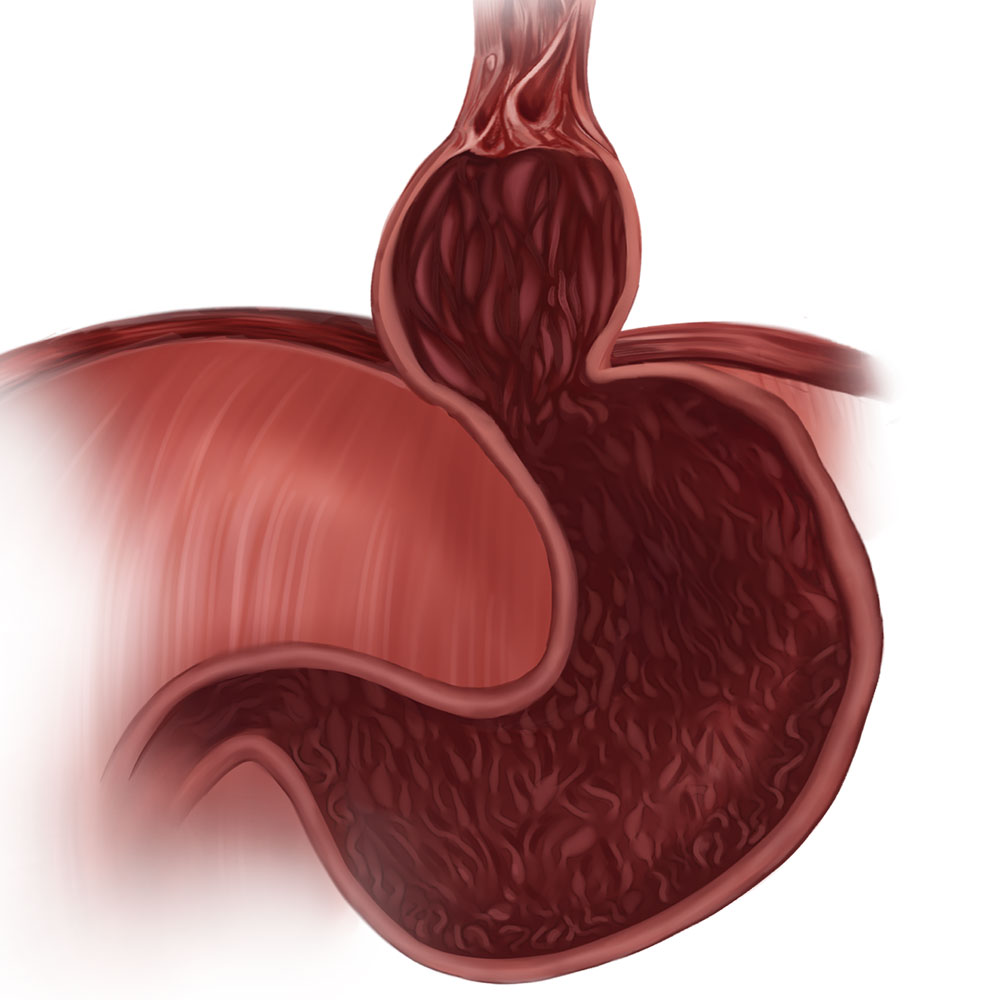
The TIF procedure reconstructs the esophageal valve that keeps stomach acid from entering the esophagus. TIF restores the body’s natural protection against reflux without incisions and is performed directly after hiatal hernia repair, under the same general anesthesia. The result is relief from acid reflux, heartburn, and all the effects associated with GERD. Dr. Barnes and Dr. Kandiah utilize their individual areas of expertise to complete the cTIF procedure and give patients a new chance at life without acid reflux.
Confidence Through Communication
Patients often tell us what reduces their anxiety most is knowing:
Two specialists are directly communicating about their case
Multiple providers are involved in their care
There is a clear plan before, during, and after surgery
They are not navigating the process alone
Between our physicians, physician assistants, nurse practitioners, and coordinators, you have an entire team ensuring the best possible outcome.